城市猎人
推动人工智能技术更加有力驱动加快建设交通强国_我的网站

一 |
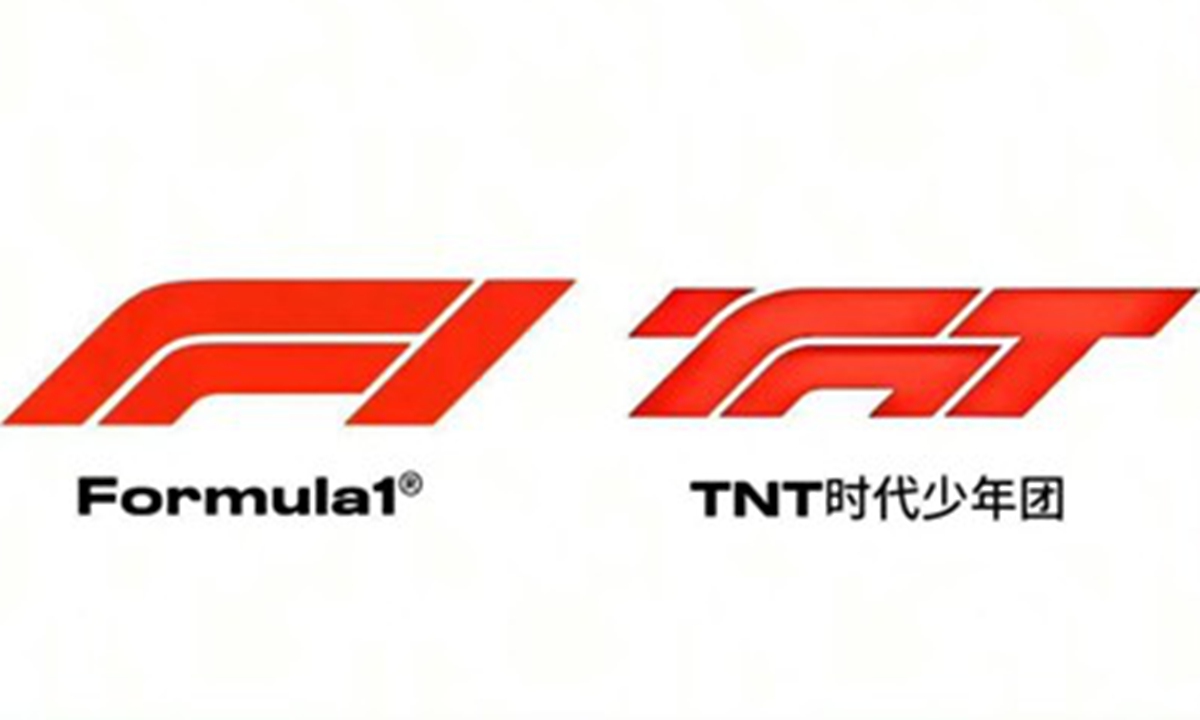
A screenshot circulating on Chinese social media compares the Formula One (F1) logo (left) with the logo used for the Teens in Times concert tour
Formula 1 (F1) has referred information about the logo used for a concert tour by Chinese boy group Teens in Times (TNT) to the appropriate team for review and investigation, after motorsport fans said that the design closely resembles F1's trademark, multiple Chinese media outlets reported.
According to Beijing Youth Entertainment, F1 said in a formal response that "the information provided had been referred to the appropriate team and was currently under review and investigation."
Time Fengjun, a Beijing-based talent agency that manages popular idol groups including TNT, has meanwhile blurred the logo in its official concert videos, according to a report by Beijing Youth Entertainment.
Time Fengjun designed the promotional logo for TNT's racing-themed concert in May. Some motorsport fans said that the logo's red, three-part slanted design with a concave curve in the middle closely resembles the outline of F1's current trademark, which was introduced in 2017, with the original "F1" lettering replaced by "TNT."
The concert's stage screens, official footage and merchandise also feature elements resembling F1's visual style, which were used in ticket sales, performances and other commercial promotions, according to reports. No authorization from F1 has been reported.
Motorsport fans had reportedly raised concerns with Times Fengjun through official communication channels as early as July, but the company did not initially take action, Beijing Youth Entertainment reported.
Li Yunkai, an intellectual property lawyer at Beijing-based Beijing Tianyuan Law Firm, cautioned that F1's response does not mean that trademark infringement has been established already.
From a Trademark Law perspective, it would be premature to conclude that TNT has infringed F1's trademark based solely on the two images circulating online. More accurately, if the logo was indeed used without authorization from F1 and was used as a source-identifying mark in connection with the concert and its commercial promotion, there could be a relatively high risk of trademark infringement, he said.
F1's rights holder has registered relevant figurative trademarks in China, including No. 76729750 in Class 41, covering entertainment and performance-related services, according to Li. The case would be assessed based on factors including the similarity of the marks and services and the likelihood of consumer confusion, in line with China's trademark infringement standards.
The two logos are not identical but share similarities in their overall shape, slant, lines and visual style. The concert's broader racing-themed imagery could also be relevant in assessing whether consumers might believe there was an affiliation, sponsorship or authorization by F1, said the lawyer.
If the concert also used F1-associated elements such as "RACETRACK," racing and track imagery, or checkered flags, those elements could be relevant to assessing the likelihood of consumer confusion and the intent behind the use. Courts would consider the broader context in which the logo was used, rather than comparing the two logos as isolated graphic designs, including whether consumers might believe the concert had an authorization, partnership or sponsorship relationship with F1.
"A final determination would depend on the specific F1 trademark at issue, the scope of services covered by the registration, how the logo was actually used and the evidence presented by both sides," Li told the Global Times.
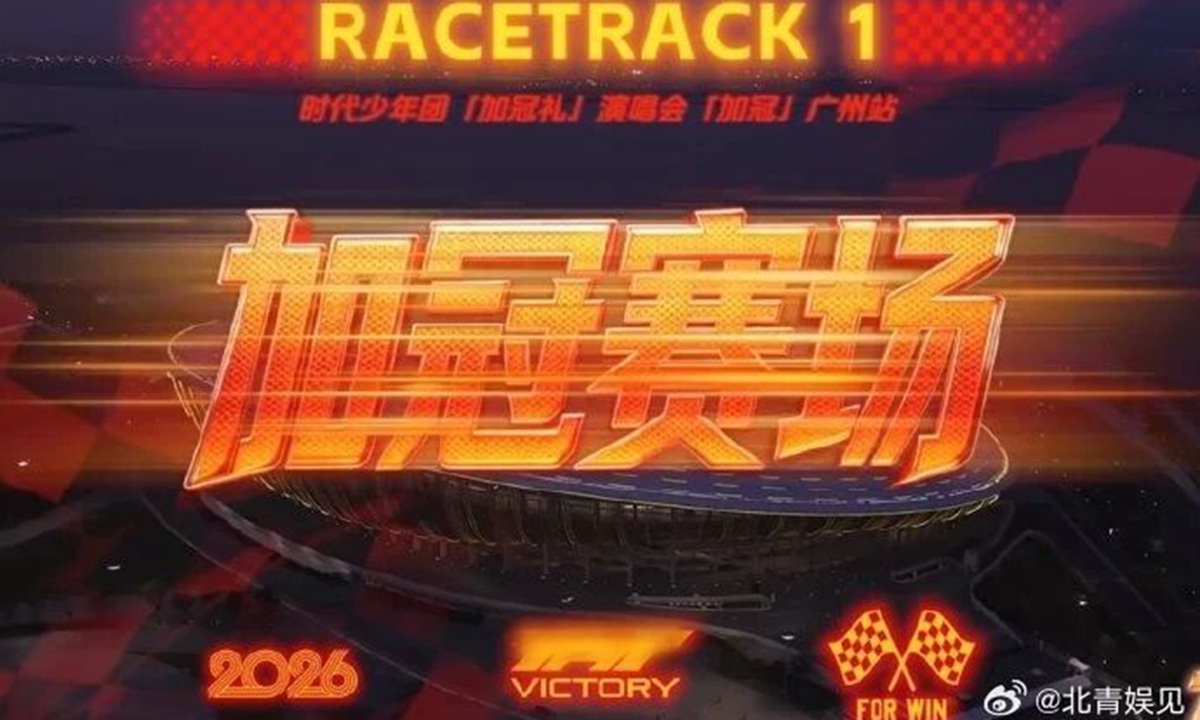
Photo: Screenshot from website
。 讯 8月20日,交通运输部举行专题新闻发布会,介绍“人工智能+交通运输”典型应用场景创新行动有关情况。 会上,交通运输部科技司司长徐文强表示,近年来,交通运输部加快推进人工智能与交通运输深度融合,聚焦基础设施、运载工具与装备、运输服务、行业治理4大方向,梳理形成覆盖铁、公、水、航、邮全领域860项率先突破场景。去年9月,交通运输部联合6部门,出台了《关于“人工智能+交通运输”的实施意见》,全面绘制了“人工智能+交通运输”的方向标和路线图。今年6月,交通运输部又会同国家铁路局、中国民航局、国家邮政局和国家铁路集团,印发了《“人工智能+交通运输”典型应用场景创新行动方案》,全面启动了典型应用场景创新行动,打通政策落地“最后一公里”,推动人工智能技术更加有力驱动加快建设交通强国。

二 | 本次创新行动将场景任务分为应用推广、创新示范、攻关突破三类,牵头主体分为场景方牵头和技术企业牵头两种模式。划分“三类场景”、采用“两种牵头模式”,开展典型应用场景创新行动,就是要密切跟踪、及时总结交通运输行业技术创新的全链条规律,区分不同技术成熟度、不同业务属性的场景,让场景所有方、科技企业、科研院所都能找到定位、发挥所长,避免“一套标准管到底”,最大化激发各方创新活力。 具体来看,三类场景分别对应了技术落地的三个阶段,牵头主体的设置也充分匹配各阶段的核心需求。 应用推广类,主要面向技术已经成熟、商业模式清晰、行业有普遍需求的场景,比如高速公路智能监测、12328智能客服、场站智能安检,就属于这一类。这类场景的核心目标是“规模应用”,让好技术尽快从“点上示范”走向“面上普及”。因此,明确由“场景所有方”牵头,因为他们掌握路网、港口、场站这些实体资源,有成熟的运营运维体系,能最快推动规模化落地,形成可复制、可推广的行业通用解决方案。

三 | 创新示范类,重点是推进成熟技术的系统集成和跨领域融合,比如多式联运智能调度、综合枢纽一站式智慧服务。

四 | 这类项目不缺单项技术,难点在于如何打通不同部门、不同运输方式的业务流程和数据壁垒。所以也明确由“场景所有方”牵头,统筹业务资源,联合人工智能企业、科研院所,做集成创新,核心是“提质融合”,打造一批高水平的融合应用标杆。 攻关突破类,瞄准的是行业核心技术短板,比如交通专用垂直大模型、路侧轻量化智能终端、复杂场景自主决策算法。这些是行业的“卡脖子”环节,需要很强的算法研发和算力支撑。因此这一类由“人工智能科技企业”牵头,行业用户作为参与方,提供真实测试场景和业务验证,核心是“强基础补短板”,用真实场景打磨形成核心技术能力。版权申明:凡注有“”或电头为“”的稿件,均为独家版权所有,未经许可不得转载或镜像;授权转载必须注明来源为“”,并保留“”的电头。 。
Current article:http://www.choumaimuwogenkuzhainuan.bond/list_9433ap/l2t.xlsx
Published on:12:30:41