
裸婚时代
Why China's favorability is rising across the Global South_我的网站

A |
What explains China's growing appeal?
For many developing countries, China offers a practical development partnership centered on infrastructure, investment, industrialization, technology transfer and trade. Rather than prescribing a single pathway to modernization, it has generally emphasized allowing countries to pursue development in line with their national priorities.
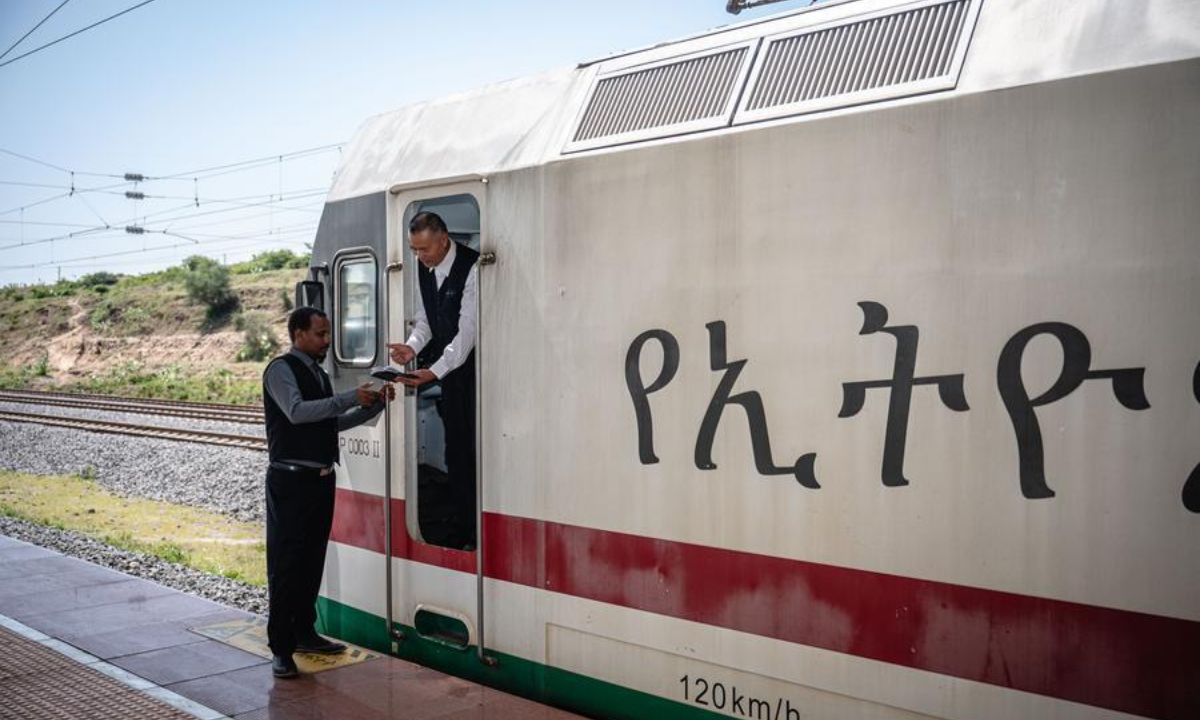
One reason China's influence has grown is that its development model is highly visible. From Ethiopia's railways to Pakistan's power plants, Chinese-financed projects address everyday development challenges by improving transport, energy security and connectivity. Through the Belt and Road Initiative, China has mobilized nearly 1 trillion U.S. dollars in infrastructure investment, producing projects that citizens can see, use and associate with economic progress.
The distinction lies not only in the scale of investment but also in the evolving priorities of development cooperation. While many Western partners have increasingly emphasized economic security, strategic de-risking, private-sector mobilization and governance reform, China has combined large-scale investment in physical infrastructure with technology transfer, industrial cooperation and human capital development.
At the same time, China has actively promoted trade by expanding market access, including granting zero-tariff treatment to many least-developed countries, deepening currency-swap arrangements, and encouraging the use of local currencies in cross-border trade. Together, these measures seek to strengthen economic connectivity, reduce transaction costs and exchange-rate risks, and create new opportunities for developing countries to integrate into regional and global value chains.
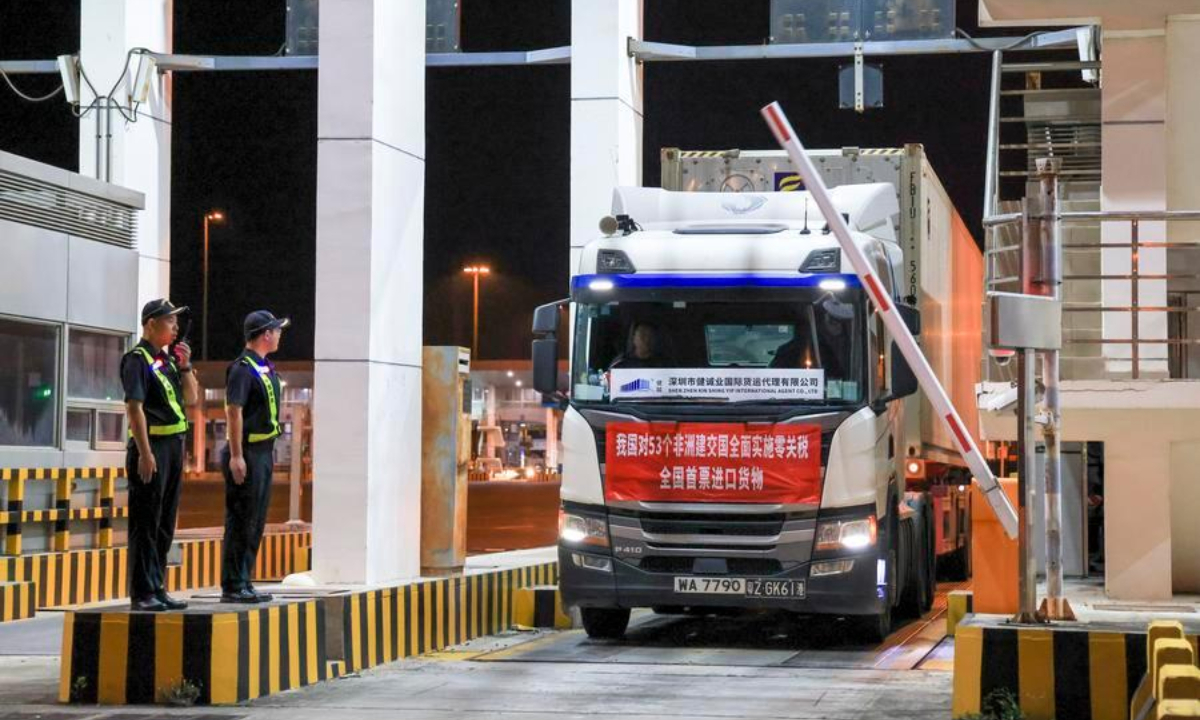
This integrated approach has produced tangible improvements in productivity, connectivity and local capacity, reinforcing perceptions of China as a long-term development partner.
Equally important is the philosophy underpinning China's engagement. Beijing consistently emphasizes sovereignty, mutual respect and non-interference, maintaining that every country should determine its own political and development path. For many governments across the Global South, this approach is a partnership based on equality rather than political conditionality, allowing them greater policy space to pursue domestic development priorities.
Diplomatic style has also influenced perceptions. Through mechanisms such as the Forum on China-Africa Cooperation and regular engagement with Pacific Island countries, China has committed itself to equality and shared development. For many governments in the Global South, that sense of respect and recognition is not merely symbolic -- it contributes to long-term political trust.
Perhaps the most important nuance is this: the Global South is not becoming anti-American; it is becoming strategically pragmatic. Its foreign policy decisions are increasingly guided by national interests, economic opportunity, and development priorities rather than Cold War-style geopolitical alignment.
The Global South's primary ambition is neither ideological nor geopolitical -- it is developmental. Governments want to create jobs, eliminate poverty, modernize infrastructure, strengthen industrial capacity and improve the quality of life for their citizens. China's transformation over the past four decades, from lifting hundreds of millions of people out of poverty to becoming a global leader in infrastructure, manufacturing and technology, has demonstrated what sustained long-term planning can achieve. Consequently, many developing countries are looking to China not as a model to replicate wholesale, but as a development partner from which they can learn, cooperate and pursue shared prosperity while preserving their own policy autonomy.
This contrast is also reflected in broader policy priorities. At a time when many Western governments are increasingly emphasizing tariffs, export controls, technology restrictions, sanctions and economic security, China has continued to promote infrastructure investment, trade, industrial cooperation, technology partnerships, open-source AI initiatives and greater access to its domestic market. Whether one agrees with either approach or not, many developing countries evaluate partnerships primarily through the lens of economic development and tangible outcomes. That difference in emphasis is helping reshape global perceptions.
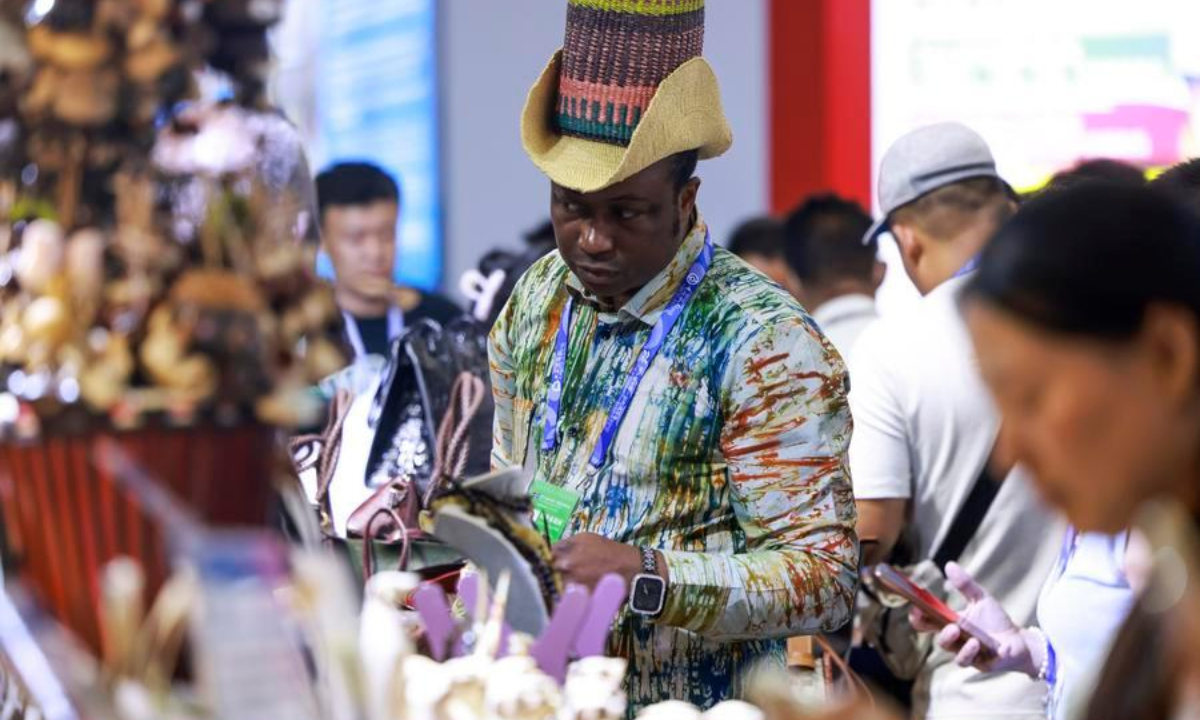
The world is changing, and the transition toward a more multipolar international order is becoming increasingly evident. The Global South is no longer a passive participant in world affairs. Its countries are exercising greater strategic autonomy, making decisions according to their own national interests, development priorities and the aspirations of their people. In China, developing countries have found a true friend and good partner.
Editor's note: Maya Majueran serves as the director of the Belt and Road Initiative Sri Lanka, an independent and pioneering organization with strong expertise in Belt and Road Initiative advice and support.
。 讯 据生态环境部消息,2026年8月15日,中国环境监测总站联合中央气象台、大气污染防治攻关联合中心,东北、华南、西南、西北、长三角区域空气质量预测预报中心和北京市生态环境监测中心,开展8月下半月(8月16日—31日)全国空气质量预报会商。

B | 8月下半月,全国大部地区扩散条件总体较好,空气质量以优良为主,局地可能出现轻度污染。受沙尘天气影响,新疆部分城市可能出现PM10中度及以上污染。 京津冀及周边地区:8月下半月,区域大部空气质量以良为主,局地个别时段可能出现轻度污染。

C | 其中,16—19日,温度升高,相对湿度降低,云量减少,辐射增强,区域大部空气质量以良至轻度污染为主;20—23日,受降水过程影响,区域大部空气质量以优良为主;24—31日,中层升温,云量减少,区域大部空气质量以良至轻度污染为主。首要污染物为O3。 北京市:8月下半月,受间歇性弱冷空气和降水影响,扩散条件整体较好,空气质量以优良为主。其中,16日,地面受弱气压场控制,偏南风主导,扩散条件一般,空气质量为良;17—18日,地面以高压作用为主,北转南风,期间18日傍晚至夜间存在降水过程,空气质量以优良为主;19—20日,地面受弱气压场控制,偏静稳,扩散条件一般,空气质量为良;21—22日,气温回落,存在降水过程,空气质量以优良为主;23—24日,地面受均压场控制,偏南风主导,扩散条件一般,空气质量为良;25—27日,受冷空气影响,偏北风,扩散条件较好,空气质量优良;28—31日,地面气压场减弱,气温逐步回升,偏南风主导,空气质量为良。首要污染物为O3。 长三角地区:8月下半月,前期受低压系统影响,有降水,区域空气质量以优良为主;中期副高北抬,气温回升,区域空气质量以良为主,内陆局地轻度污染;后期受低压槽影响,降水频繁,区域空气质量以优良为主。其中,16日,扩散条件较好,区域空气质量以优良为主;17—19日,扩散条件一般,区域空气质量以良为主,内陆局地轻度污染;20—25日,扩散条件一般,区域中北部空气质量以良为主,局地轻度污染,南部优良;26—31日,扩散条件较好,区域空气质量以优良为主。首要污染物为O3。 汾渭平原:8月下半月,多降水过程,空气质量以优良为主,降水间歇期局地可能出现轻度污染。

D | 其中,16日,气温略有回升,有利于臭氧生成,空气质量以良为主;17—27日,多分散性降水过程,臭氧生成潜势较弱,空气质量以优良为主,降水间歇期东部局地可能出现轻度污染;28—31日,气温回升,臭氧生成潜势有所增强,空气质量以良为主,局地可能出现轻度污染。首要污染物为O3或PM10。 东北区域:8月下半月,前期和后期受冷空气及分散性降水影响,区域大部空气质量以优良为主;中期气温回升,区域南部可能出现轻度污染。其中,16—19日,受弱冷空气及分散性降水过程影响,扩散条件较好,区域大部空气质量优良;20—25日,气温回升,地面以偏南风为主,扩散条件一般,区域大部空气质量优良,辽宁中西部局地可能出现轻度污染;26—31日,受冷空气过程影响,扩散条件有利,区域大部空气质量优良。首要污染物为O3或PM10。

E | 华南区域:8月下半月,受偏南气流和偏北气流交替影响,期间有分散性降水,大气扩散条件和湿清除条件整体较好,区域大部空气质量以优良为主,局地可能出现轻度污染。其中,16—17日,大气扩散条件一般,空气质量以优良为主,湖北中东部、湖南中北部、广东中部空气质量以良至轻度污染为主;18—19日,空气质量以优良为主,湖北中东部、湖南中北部空气质量以良至轻度污染为主;20—23日,大气扩散条件较好,空气质量优良;24—31日,大气扩散条件一般,空气质量以优良为主,湖北中东部、湖南中北部空气质量以良至轻度污染为主。首要污染物为O3或PM2.5。

F | 西南区域:8月下半月,扩散条件整体较好,空气质量以优良为主,局地可能出现轻度污染。其中,16—28日,区域有持续时间较长的大范围降水过程,扩散条件较好,区域空气质量优良;29—31日,降水过程逐渐结束,以晴天为主,辐射增强,扩散条件略有不利,重庆、成都平原、四川南部、四川东北部部分地区空气质量以良至轻度污染为主,其余区域大部空气质量以优良为主。首要污染物为O3。 西北区域:8月下半月,空气质量整体较好,以良为主,局地可能出现轻度污染;新疆部分地区受沙尘天气影响可能出现中度及以上污染。

G | 其中,16—17日,受降水过程影响,空气质量以优良为主;18—19日,气温回升,有利于臭氧生成,空气质量以良为主,局地可能出现轻度污染;20—23日,多分散性降水过程,空气质量以良为主;24—25日,气温升高,臭氧生成潜势增强,空气质量以良为主,局地可能出现轻度污染;26—31日,扩散条件整体一般,局地伴有降水,空气质量以良为主。
H | 新疆地区:16—31日,北疆北部和天山北坡空气质量以优良为主,期间16—17日、20日和27日可能出现轻度污染;东疆和南疆地区以良至轻度污染为主,20—21日和27—29日受沙尘天气影响可能出现中度污染,和田可能出现重度污染。

I | 首要污染物为PM10或O3。版权申明:凡注有“”或电头为“”的稿件,均为独家版权所有,未经许可不得转载或镜像;授权转载必须注明来源为“”,并保留“”的电头。 。

J |
Current article:http://www.choumaimuwogenkuzhainuan.bond/news/20260826_942800.xlsx
Published on:16:34:12
我的网站最近更新
- Mohanlal and Tharun Moorthy Join Hands Again for a New Thriller
- 国产游戏出海爆火!《白银之城》全球预注册突破千万
- 台风“白海豚”即将正面登陆浙江 我省防台风应急响应提升至Ⅰ级
- 英伟达服务器传出涨价消息 涨幅“很多情况下超过15%”
- Modi wishes Kharge after winning Cong prez polls
- 【观点】广州期货:玉米与淀粉期价震荡分化,维持谨慎看多观点
- 广晟控股集团:广东省广晟应急安全科技有限责任公司等7家企业与公司不存在任何股权关系
- 文成街角小店:一间福彩站,一城烟火暖
- 全国大部地区秋粮长势较好 各类农作物陆续成熟迎来收获_抗旱_南方
- 白天守小店,晚上赶夜校 上城青年店主变身数智“超级个体”
- Environmentalists warn of intent to sue over snail species living near Nevada lithium mine
- 不锈钢:RKAB扰动叠加累库压制,不锈钢短期震荡偏弱
- 下周关注:英伟达等将披露财报 这些投资机会最靠谱
- 北京地铁列车河北造 已累计下线17种车型,雇用当地员工占比近50%
- 鼎信通讯:王天宇计划减持公司股份不超过约1957万股
- NZ imposes sanctions against 75 Russians
- 台风“沙德尔”逼近福建海域 福建海事局启动防台风二级应急响应
- Photos: Australian Farmer Finds Almost 3-Meter Fragment of Alleged SpaceX Capsule on His Land
- 高盛重申:年末黄金价格将达到每盎司4900美元!
- 官方:切尔西后卫迪萨西租借加盟水晶宫,租期涵盖2026/27赛季
- “线上+线下”双通道 助力毕业生求职季
- 7400万变底薪!总冠军,他来了
- LG 49寸4K智能液晶电视春节火爆
- “雅思组合”战绩:五连冠+30连胜
我的网站热门资讯
- 天准科技:宁波准智计划减持公司股份不超过约584万股
- 300多只东北虎再次延长“轻断食”,专家:模拟野生环境下的采食节奏,保持适度饥饿感更健康
- 量化“品牌质地”:从“湾区之光”评选标准,看箭牌商标背后的硬核资产
- 兴城部署清明节和“五一”期间森林防灭火工作
- 记者:桑乔买断条款满足条件已触发,蓝军需决定是否买断该条款
- 降水量已超90毫米!淄博发布暴雨红色预警,今晚还要下……
- Naslen Gafoor Turns 25: The Unassuming Meteor Of Malayalam Cinema
- 辽宁省档案条例
- 'NASA ready to take whatever Universe throws at us'
- 中超主场申报宽限两天 7家俱乐部场地已过关
- 常州通报星宇股份劝退应届生:107人解除劳动合同 协商简单生硬
- Comicomment | Selling militarism as the future: Japan's new defense white paper
- 最高时速160公里 京冀首条跨省域地铁空载试运行
- 日照港焦炭市场动态
- 未来电器:聘任雷聪为公司证券事务代表
- 当 AI 的瓶颈从算力转向能耗,答案藏在每一度电里
- 最高火箭 最短流程!长七A成功发射“中星1E”卫星
- Climate Gambit: Chinese team develops ‘super brain’ to guide flood precautions using weather, hydraulic and terrain data
- 全力创建国家级旅游度假区
- 抚顺军分区党委第一书记任职宣布大会召开
- 输球后拳打脚踢对手!14岁球员遭重罚
- 兴城举行祭孔大典活动
- 内塔尼亚胡:美国和伊朗“不可能”达成外交协议,还和特朗普讨论了再次打击伊朗和加强对伊封锁
- 森海塞尔 MOMENTUM 真无线 5 代蓝牙耳机国行版预售,2399 元